






"Norse Shipyard: Turkish-Norwegian Cooperation Shaping the Future of Shipping"
“Norse Shipyard's facility in the Kocaeli Free Zone has established the company as...
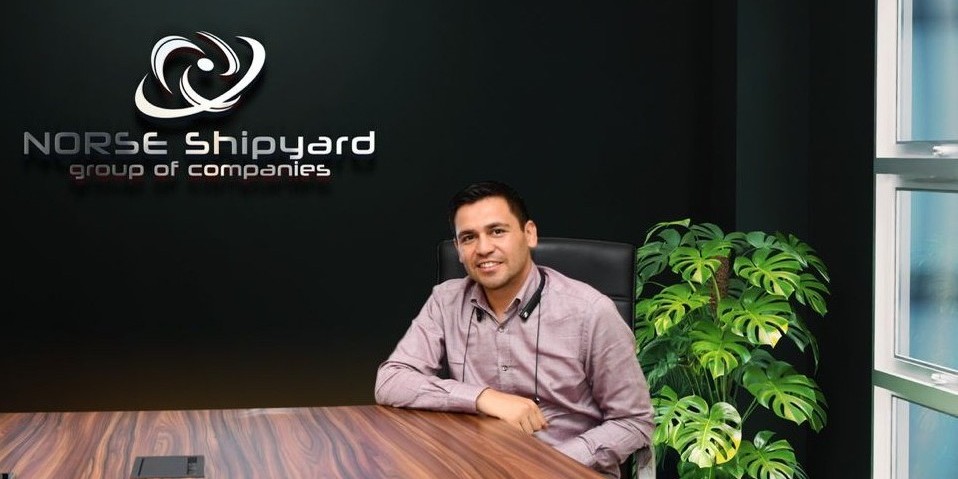
Mustafa SÜNGÜ
NORSE Group of Companies - Chairman of the Board
“Norse Shipyard's facility in the Kocaeli Free Zone has established the company as a key player in both the Turkish and international markets. The company has delivered award-winning and environmentally friendly projects, including the world's first liquid hydrogen-powered ferry, the NB14 M/F HYDRA. The company has a Turkish-Norwegian partnership structure that combines transparency, sustainability and a culture of rapid solution-finding. Through this structure, the company aims to shape the future of maritime transport through transformation projects and green technologies.”
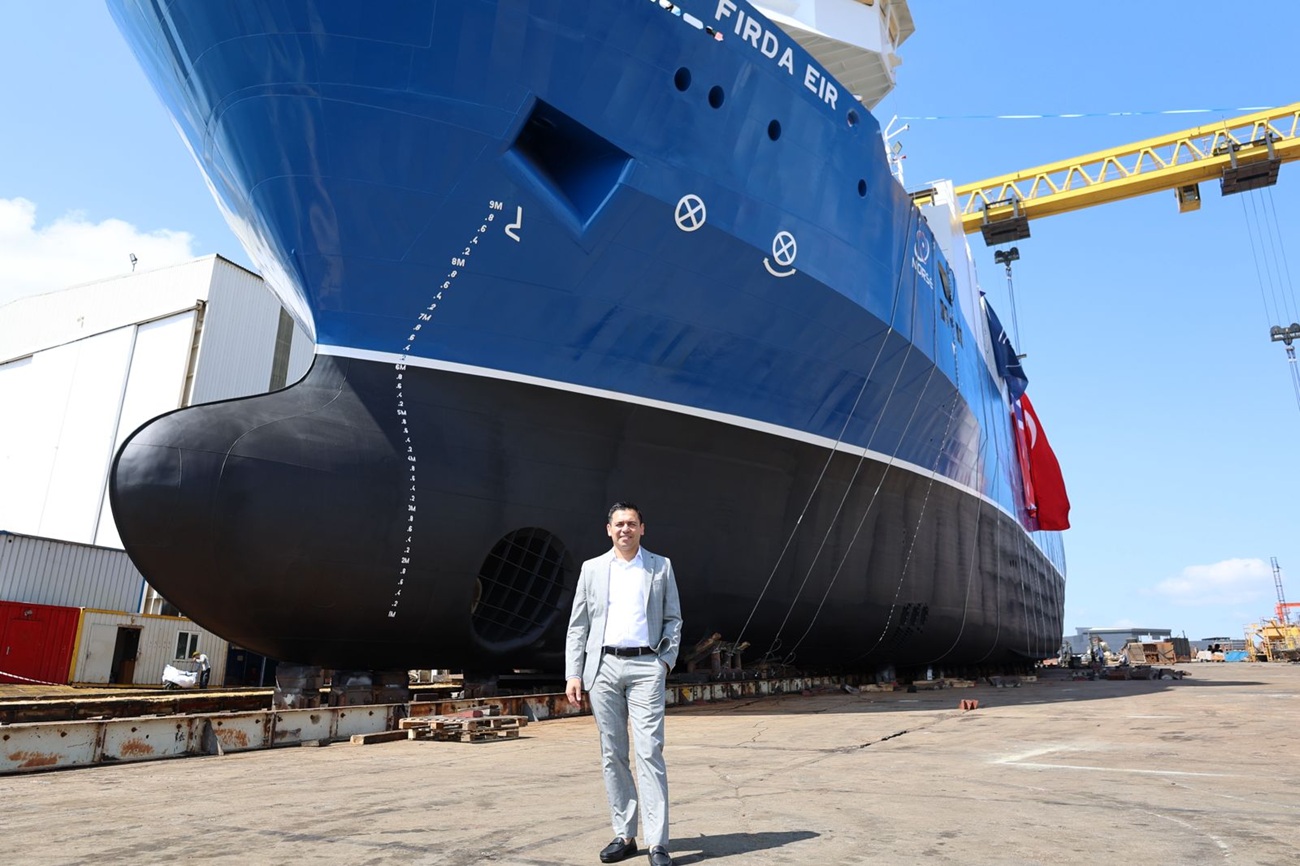
Could you please outline the advantages of your production facility in Kocaeli and your construction capacity for the company in this sector? Could you please describe the concrete effects of this capacity in terms of operations, supply chain, or time management?
Our production facility is strategically located in the Kocaeli Free Zone. Due to its strategic location on the coast of the Sea of Marmara and its proximity to Istanbul, we can access both domestic and international markets with ease. In addition, the free zone's tax and customs facilities enhance the efficiency of our operations and boost our competitiveness.
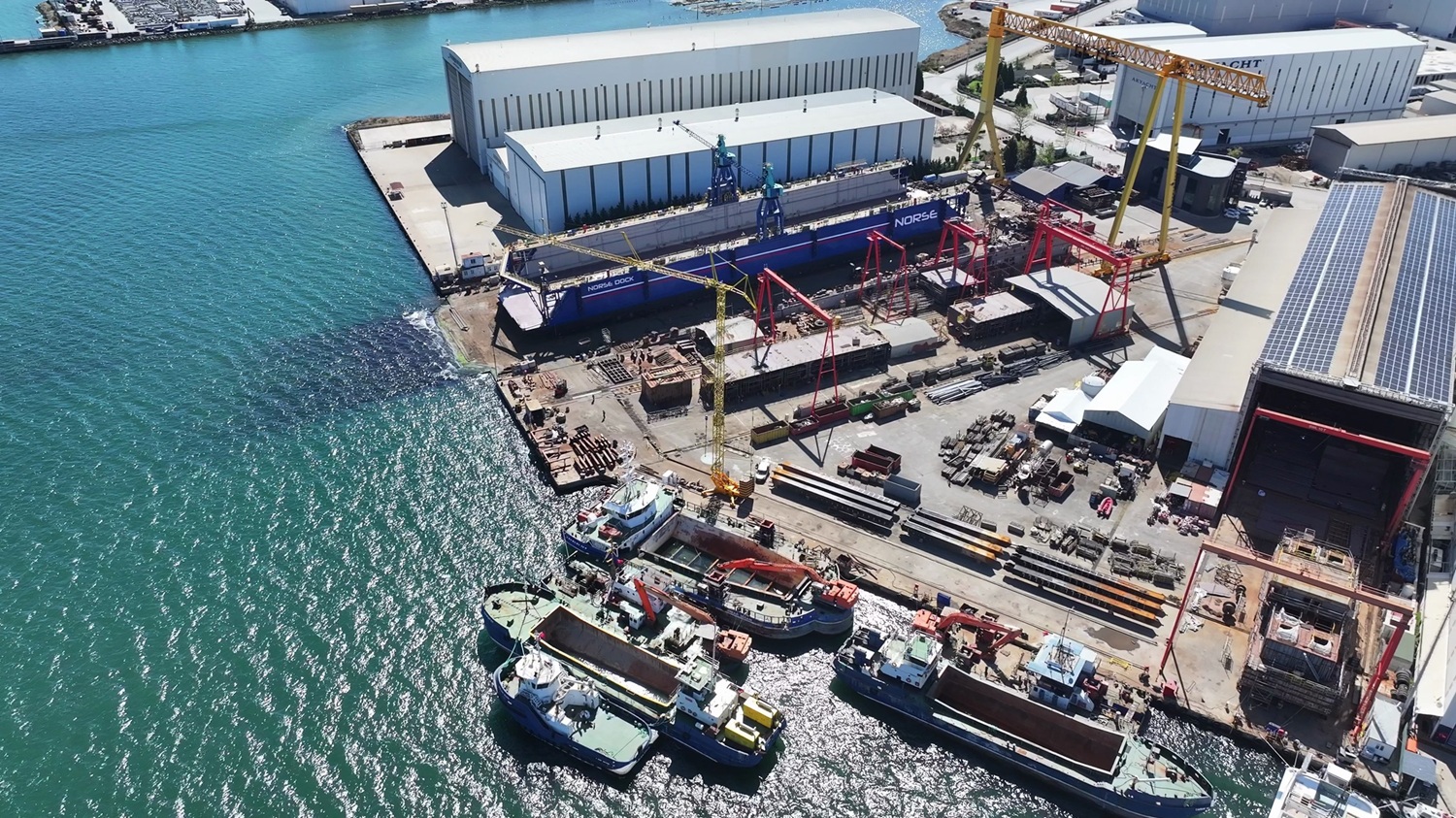
Our facility covers an area of 35,800 m² and to date, we have successfully carried out a wide variety of projects, including fishing vessels, ferries, barges, LFCs and yacht conversions. Our medium-sized structure enables us to adapt quickly to project changes and increase quality by giving each project the attention it deserves. Our medium-scale operations enable us to maintain close communication with our customers and collaborate on projects, providing us with a significant competitive advantage in the industry.
Producing the world's first hydrogen-powered ferry is a remarkable achievement. How did this project shape your facility technology, environmental approach, and market position? What is your strategy for similar innovative projects?
The NB14 M/F HYDRA became a notable success in the industry, winning "Ship of the Year" in 2021 and the Shippax Awards in 2022. Producing the hull of the world's first liquid hydrogen-powered ferry project with high specifications and delivering it to Westcon Yards clearly demonstrated Norse Shipyard's technological capacity and environmental approach. The prestige and experience we gained deepened our collaboration with our customers and enabled us to pursue similar innovative projects. For example, the NB18 – Factory Stern Trawler, also for the same customer, won the "Ship of the Year" award at the 2023 Nor-Shipping Fair. Furthermore, by converting an old PSV into a modern Live Fish Carrier and an old Japanese research vessel into a modern motor yacht, we demonstrated our shipyard's expertise in sustainability and conversion. As Norse Shipyard, we aim to continue producing both innovative and diverse projects in different segments by utilising our technological capacity and environmentally conscious approach in the future.
What is the significance of the "Future-Proof" theme that was emphasised at Nor-Shipping 2025 with regard to sustainable shipbuilding and green maritime technologies? Please describe how environmental awareness is applied in the company's projects.
The term 'future-proof' is one with which we are very familiar. This commitment is exemplified by our previous projects, including our work on eco-friendly ships and the conversion and refurbishment of older vessels. With the new dock, we are committed to maintaining our vision in repair and conversion projects. Furthermore, we are committed to an environmentally conscious approach in our production facilities. We transitioned to tablet use a considerable time ago, and we also support our energy consumption by equipping the roof of our production hangar with solar panels. We are also implementing numerous adjustments to our production processes with the aim of enhancing operational efficiency. For instance, we are reducing dock labour by using lifts, and by prioritising technological innovations like this, we are both preventing waste and working more efficiently.
With regard to the fabrication trawler and conversion projects being carried out jointly with Norwegian companies, could you please explain how technologies such as the "CFlow" system are integrated?
In the prefabricated trawler and conversion projects we carry out in collaboration with Norwegian companies, we have established a strong partnership with CFlow, a leading company in the industry, particularly in fish handling systems used in live fish transport vessels and, to a lesser extent, fishing vessels.
As Norse Shipyard, we purchase CFlow's equipment and integrate it into our projects. At the same time, our group company Norse Steel is responsible for the production of CFlow. This production is not limited to vessels constructed in our own shipyard. We are proud to be a solution partner in many projects run by CFlow and similar companies. This two-way collaboration gives us a distinct advantage in the industry.
In the field of ship repair and conversion, the objective is to return vessels to service in the most efficient timeframe. Could you please clarify how this is achieved in terms of operational efficiency, continuity, and customer satisfaction? What are the prominent methods or organisational approaches?
In the field of ship repair and conversion projects, effective time management and operational efficiency are paramount. For instance, in one of our projects, we completed the installation of 48 pieces of equipment and placed a 120-tonne block in position in just two days. This approach was planned to maximise the height of the blocks and minimise the amount of work required inside. In fact, our objective is to conduct a feasibility study in advance for each project, determine how the process can proceed, and create a plan accordingly. We ensure that all stakeholders are involved in the process and that communication is maintained by holding weekly project meetings. This enables us to return the ship to sea promptly, thereby enhancing customer satisfaction.
It has been suggested that the management philosophy is more Norwegian in nature, given that your organisation is a Turkish-Norwegian joint venture. Please describe how this cultural and managerial component impacts work processes, decision-making and customer relations.
As a Turkish-Norwegian joint venture, our management philosophy integrates the strengths of both cultures. Norway's approach, centred on transparency, systematic work and sustainability, is reflected in our business processes and decision-making mechanisms. In the context of customer relations, this approach fosters proactive communication and facilitates long-term, trust-based cooperation. Combined with the dynamism and practical, solution-oriented approach of the Turkish side, we have a structure that can carry out fast and effective operations while providing sustainable and high-quality services. In summary, we aim to add value to the sector by combining Norway's high engineering standards with Turkey's strong engineering and workforce capacity.



HABERE YORUM KAT
Türkçe karakter kullanılmayan ve büyük harflerle yazılmış yorumlar onaylanmamaktadır.