





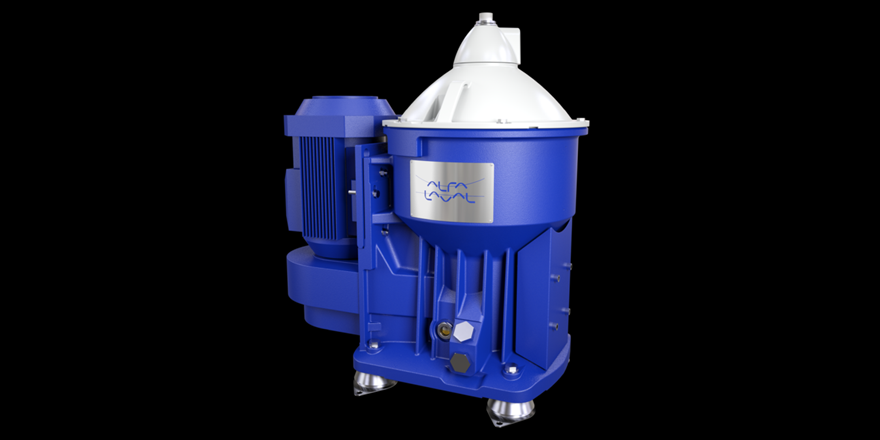
Alfa Laval is Ready for Biofuel Conversion
The marine industry, which carries more than 80% of global trade, is also responsible for nearly 3% of global greenhouse gas emissions.
To address this, the International Maritime Organization (IMO) set ambitious goals at its 2023 MEPC 80 meeting: reduce CO₂ emissions by 40% by 2030 and achieve net zero by 2050. These targets are reshaping the fuel landscape and accelerating the shift toward alternatives.
Biofuels: A Practical Path Forward
While fuels such as hydrogen, ammonia, and methanol are expected to play a role in the long term, biofuels stand out as the most viable near-term solution. Two in particular, FAME (Fatty Acid Methyl Ester) and HVO (Hydrotreated Vegetable Oil) are already attracting strong attention.
In fact, the 2024 update to the ISO 8217 marine fuel standard allows unlimited blending of FAME, removing a significant barrier to its adoption. Unlike fossil fuels, biofuels can be produced from vegetable oils, waste oils, and even algae, offering a much smaller carbon footprint and helping shipping companies meet tightening climate regulations.
Alfa Laval: From Supplier to Technology Partner
Alfa Laval is deeply engaged in shaping the industry’s transition. As an active contributor to the ISO 8217 standard and a member of the CIMAC marine fuels working group, the company collaborates closely with engine manufacturers and fuel suppliers to ensure safe, efficient onboard fuel handling.
This role extends far beyond supplying equipment. Alfa Laval positions itself as a technology partner, offering the expertise, systems, and engineering support needed to make biofuel adoption both practical and cost-effective.
Smooth Integration with Existing Fleets
One of the key advantages of biofuels is their compatibility with today’s vessels. Ships currently running on heavy fuel oil (HFO) or very low sulfur fuel oil (VLSFO) can be adapted with only minimal investment.
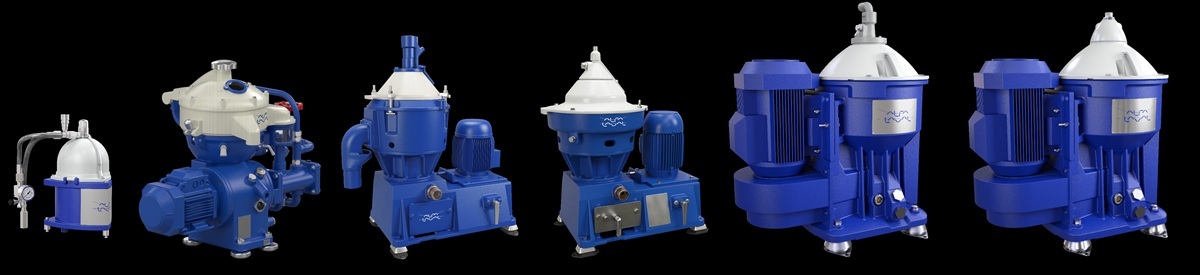
• Separators, conditioning modules, and filters can be optimized for biofuels.
• Small adjustments, such as choosing elastomers compatible with biofuels, ensure long-term reliability.
• Software updates in conditioning and separation systems help manage viscosity and density variations.
• By providing tailored solutions, Alfa Laval makes these upgrades straightforward, safe, and efficient.
Certified, Compliant, and Future-Ready
Alfa Laval’s biofuel-compatible solutions meet the requirements of sustainability certifications such as ISCC, ensuring operators can demonstrate compliance with environmental standards. Importantly, they are suitable not only for retrofits but also for newbuilds, ensuring ships are ready for a low-carbon future from day one.
As the shipping industry moves toward decarbonization, Alfa Laval combines technology, sustainability, and operational safety to support customers every step of the way. The company’s solutions make biofuel adoption a smooth transition rather than a disruptive challenge.
The Bottom Line
Biofuels represent the most accessible step in maritime decarbonization. With Alfa Laval’s expertise and solutions, shipowners gain a reliable partner to navigate this transformation. The journey to net zero is complex but with biofuels and Alfa Laval, it is already within reach.


HABERE YORUM KAT
Türkçe karakter kullanılmayan ve büyük harflerle yazılmış yorumlar onaylanmamaktadır.